
Curiosity: How Science Became Interested in Everything
autor Philip Ball
O tej książce
There was a time when curiosity was condemned. To be curious was to delve into matters that didn't concern you - after all, the original sin stemmed from a desire for forbidden knowledge. Through curiosity our innocence was lost.Yet this hasn't deterred us. Today we spend vast sums trying to recreate the first instants of creation in particle accelerators, out of pure desire to know. There seems now to be no question too vast or too trivial to be ruled out of Why can fleas jump so high? What is gravity? What shape are clouds? Today curiosity is no longer reviled, but celebrated.Examining how our inquisitive impulse first became sanctioned, changing from a vice to a virtue, Curiosity begins with the age when modern science began, a time that spans the lives of Galileo and Isaac Newton. It reveals a complex story, in which the liberation - and the taming - of curiosity was linked to magic, religion, literature, travel, trade and empire.By examining the rise of curiosity, we can ask what has become of it how it functions in science, how it is spun and packaged and sold, how well it is being sustained and honoured, and how the changing shape of science influences the kinds of questions it may ask.
Gdzie kupić
Brak dostępnych opcji zakupu.
Linki w tej sekcji są linkami afiliacyjnymi - jeśli po kliknięciu kupisz książkę, otrzymamy prowizję od sklepu. Cena dla Ciebie pozostaje taka sama.
Więcej od Philip Ball

Beyond Weird
Philip Ball
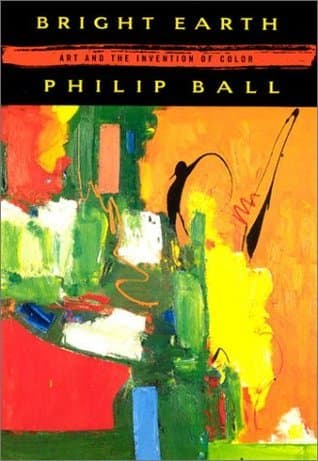
Bright Earth: Art and the Invention of Color
Philip Ball

Masa krytyczna. Jak jedno z drugiego wynika
Philip Ball
Flow: Nature's Patterns: A Tapestry in Three Parts
Philip Ball
How to Grow a Human: Adventures in Who We Are and How We Are Made
Philip Ball

Invisible: The Dangerous Allure of the Unseen
Philip Ball
Life's Matrix: A Biography of Water
Philip Ball
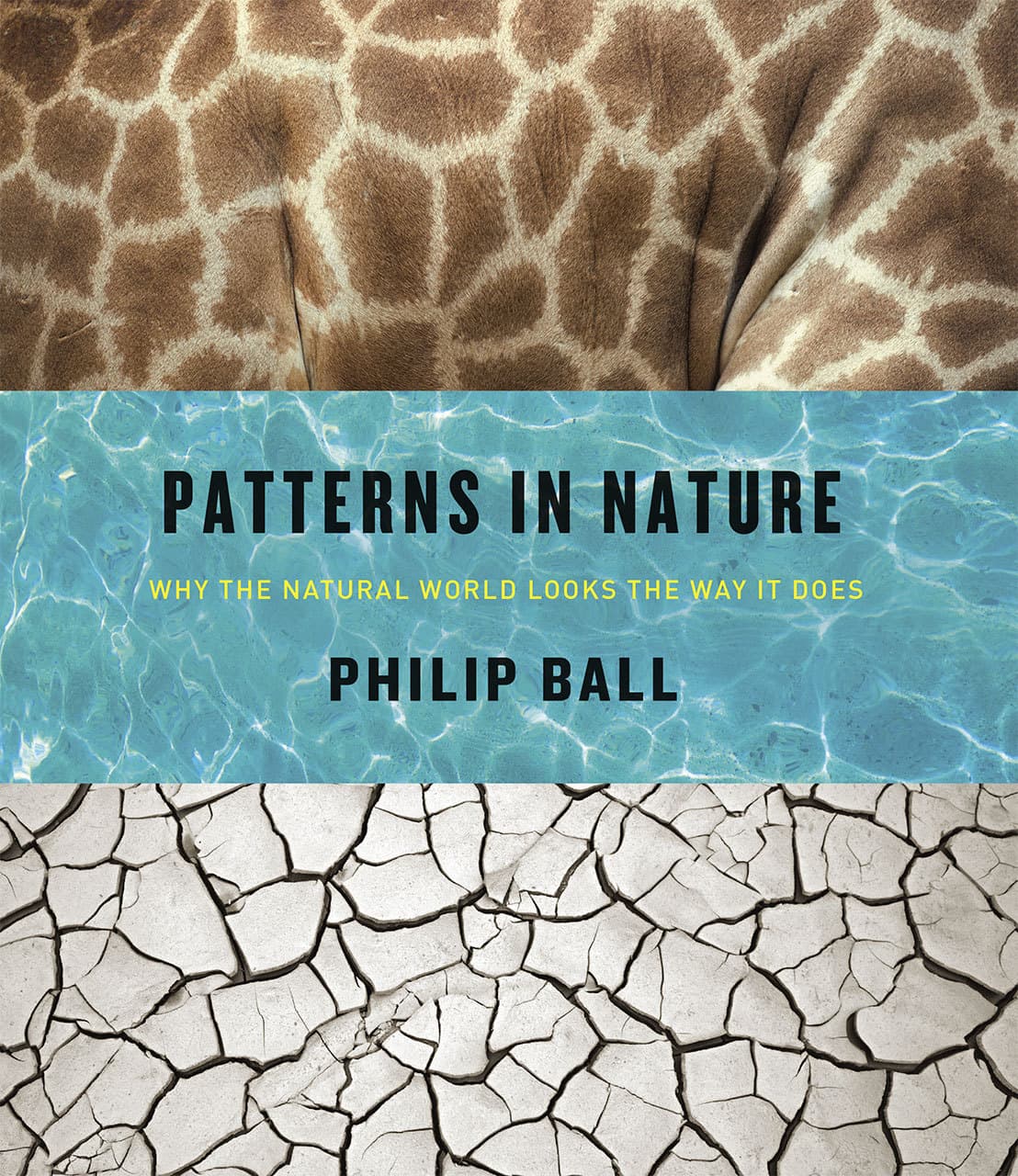
Patterns in Nature: Why the Natural World Looks the Way It Does
Philip Ball
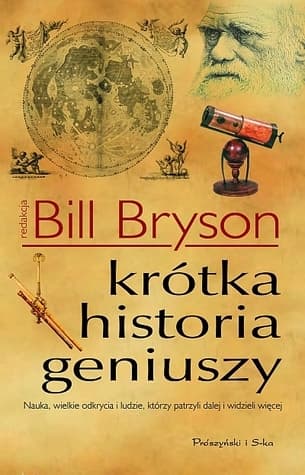
Krótka historia geniuszy
Neal Stephenson, Richard Dawkins, Margaret Atwood, Gregory Benford, Ian Stewart, James Gleick, Paul C.W. Davies, Oliver Morton, Bill Bryson, Rebecca Goldstein, Henry Petroski, Simon Schaffer, Stephen H. Schneider, Philip Ball, Martin J. Rees, John D. Barrow, Richard Fortey, Margaret Wertheim, Maggie Gee, Georgina Ferrey
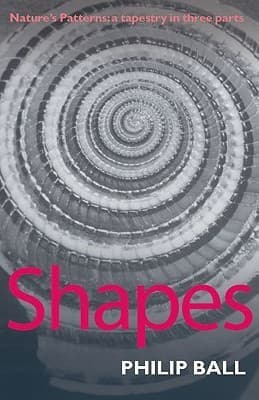
Shapes: Nature's Patterns: A Tapestry in Three Parts
Philip Ball

The Book of Minds: How to Understand Ourselves and Other Beings, from Animals to AI to Aliens
Philip Ball

The Modern Myths: Adventures in the Machinery of the Popular Imagination
Philip Ball