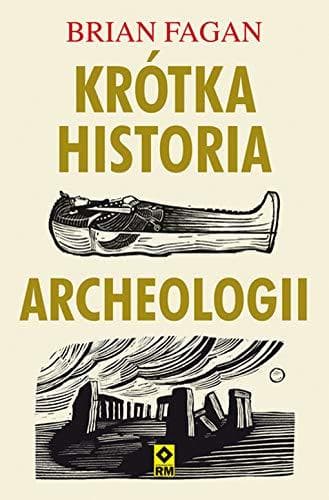
Krótka historia archeologii
autor Brian M. Fagan

O tej książce
Kiedy myślimy o archeologii, wyobrażamy sobie wykopaliska w poszukiwaniu starożytnych skarbów, przebijanie tuneli do wnętrza grobowców egipskich faraonów czy odkrywanie czaszek neandertalczyków. Jednak archeologia to znacznie więcej - to nauka bazująca na ludzkiej ciekawości tego, co było niegdyś. Nauka, która poszukuje świadectw dotyczących całej, liczącej ponad trzy miliony lat, historii człowieka.Krótka historia archeologii jest opowieścią o wybitnych archeologach i zdumiewających odkryciach, których dokonali w różnych zakątkach świata. Znajdziemy tu zarówno sztukę naskalną epoki lodowcowej, ruiny Majów, pierwszą osadę angielskich kolonistów w Jamestown, jak i tajemnicze Stonehenge czy Pompeje - miasto pogrzebane pod wulkanicznym popiołem w 79 roku n.e. W krótkich, pasjonujących rozdziałach Brian Fagan przedstawia rozwój archeologii od jej osiemnastowiecznych początków aż do czasów współczesnego postępu technicznego. Obserwujemy jak przez wieki osiągano coraz to bardziej wyrafinowane rozumienie przeszłości, wspomagane obecnie przez rewolucyjne zdobycze w dziedzinie teledetekcji i technik wykonywania zdjęć satelitarnych. W książce, przeznaczonej dla czytelników w każdym wieku, Fagan przedstawia odkrycia, metody badawcze i niezwykle inspirujące postacie, które współtworzyły ogólnoświatowy sukces archeologii. Brian Fagan, emerytowany profesor antropologii Uniwersytetu Kalifornijskiego w Santa Barbara. Jest międzynarodowym autorytetem w dziedzinie światowej prehistorii i autorem dziesiątek książek poświęconych archeologii, jak na przykład wydanej ostatnio Fishing: How the Sea Fed Civilization. Mieszka w Santa Barbara w Kalifornii.
Gdzie kupić


Linki w tej sekcji są linkami afiliacyjnymi - jeśli po kliknięciu kupisz książkę, otrzymamy prowizję od sklepu. Cena dla Ciebie pozostaje taka sama.
Więcej od Brian M. Fagan
Ancient North America
Brian M. Fagan
Archaeology: A Brief Introduction
Brian M. Fagan

Beyond the Blue Horizon: How the Earliest Mariners Unlocked the Secrets of the Oceans
Brian M. Fagan

Cro-Magnon: How the Ice Age Gave Birth to the First Modern Humans
Brian M. Fagan

Elixir: A History of Water and Humankind
Brian M. Fagan

Fish on Friday: Feasting, Fasting, and the Discovery of the New World
Brian M. Fagan
Fishing: How the Sea Fed Civilization
Brian M. Fagan

Floods, Famines, And Emperors: El Nino And The Fate Of Civilizations
Brian M. Fagan
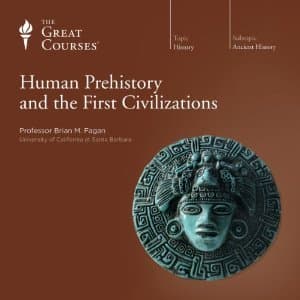
Human Prehistory and the First Civilizations
Brian M. Fagan

People of the Earth: An Introduction to World Prehistory
Brian M. Fagan

The Attacking Ocean: The Past, Present, and Future of Rising Sea Levels
Brian M. Fagan

The Great Warming: Climate Change and the Rise and Fall of Civilizations
Brian M. Fagan

The Intimate Bond: How Animals Shaped Human History
Brian M. Fagan

The Little Ice Age: How Climate Made History 1300-1850
Brian M. Fagan

The Long Summer: How Climate Changed Civilization
Brian M. Fagan

The Peru Reader: History, Culture, Politics
César Vallejo, Bartolomé de las Casas, Ricardo Palma, Gustavo Gutiérrez, Orin Starn, Brian M. Fagan, Hiram Bingham, Alfredo Bryce Echenique, Jaime Bayly, Florencia E. Mallon, John Hemming, Garcilaso de la Vega, Steve J. Stern, Cecilia Blondet, Pedro Cieza de León, Flora Tristan, Nicomedes Santa Cruz, Antonio Cisneros, Gustavo Gorriti, Catherine J. Allen, Manuel González Prada, Irene Silverblatt, César Moro, José Carlos Mariátegui, Juan Velasco, Giovanna Pollarolo, Victor Raul Haya de la Torre, Eduardo González Viaña, Alberto Flores Galindo, Carleton Beals, Javier Sologuren, Felipe Guamán Poma de Ayala, John Murra, Javier Heraud, José María Arguedas, Carmen Ollé, María Emilia Cornejo, PANCHO, Ponciano del Pino, José María Salcedo, Marco Martos, Jose Antonio de Areche, Luis Minaya, Luis Valcarcel, Abimael Guzmán, Alberto Fujimori, Josephe de Mugaburu y Honton, Manuel Cordova, Juan Pevez, Gabriel Aragon, Mercedes Torribio, Julio Ramon Ribreyo, Osman Morote, Nicario, Raquel Martin de Mejia, Ranulfo Fuentes, Maria Elena Moyano, Salomon Lerner, Jo Ann Dawell, Chaname, Caretas, Alberto Kouri, Vladimiro Montesinos, Nosquien y los Nosecuantos, Enrique Bossio, Mario Vargas Lllosa

The Rape of the Nile: Tomb Robbers, Tourists, and Archaeologists in Egypt
Brian M. Fagan

The Seventy Great Mysteries of the Ancient World
Brian M. Fagan

Time Detectives: How Archaeologists Use Technology to Recapture the Past
Brian M. Fagan