
The Great Warming: Climate Change and the Rise and Fall of Civilizations
autor Brian M. Fagan
O tej książce
How the earth's previous global warming phase, from the tenth to the fifteenth centuries, reshaped human societies from the Arctic to the Sahara―a wide-ranging history with sobering lessons for our own time.From the tenth to the fifteenth centuries the earth experienced a rise in surface temperature that changed climate worldwide―a preview of today's global warming. In some areas, including Western Europe, longer summers brought bountiful harvests and population growth that led to cultural flowering. In the Arctic, Inuit and Norse sailors made cultural connections across thousands of miles as they traded precious iron goods. Polynesian sailors, riding new wind patterns, were able to settle the remotest islands on earth. But in many parts of the world, the warm centuries brought drought and famine. Elaborate societies in western and central America collapsed, and the vast building complexes of Chaco Canyon and the Mayan Yucatan were left empty.As he did in his bestselling The Little Ice Age , anthropologist and historian Brian Fagan reveals how subtle changes in the environment had far-reaching effects on human life, in a narrative that sweeps from the Arctic ice cap to the Sahara to the Indian Ocean. The history of the Great Warming of a half millennium ago suggests that we may yet be underestimating the power of climate change to disrupt our lives today―and our vulnerability to drought, writes Fagan, is the "silent elephant in the room."Learn more at www.brianfagan.com.Brian Fagan discusses The Great Warming on The Daily Show with John Stewart.PRAISE for The Great Warming :"This is not only World History at its best, sweeping across all of humankind with a coherent vision, but also a feat of imagination and massive research. If Fagan has given the medieval period throughout the globe a new dimension, he has at the same time issued an irrefutable warning about climate change that is deeply troubling."―Theodore Rabb, author of The Last Days of the Renaissance"Climate has been making history for a very long time, though historians have rarely paid much attention to it. But as it turns out, a few less inches of rain, a change in temperature of just a degree or two can make all the difference in how human events unfold. The Great Warming demonstrates that although human beings make history, they very definitely do not make it under circumstances of their own choosing.”―Ted Steinberg, author of Down to Nature’s Role in American History and American The Obsessive Quest for the Perfect Lawn
Gdzie kupić
Brak dostępnych opcji zakupu.
Linki w tej sekcji są linkami afiliacyjnymi - jeśli po kliknięciu kupisz książkę, otrzymamy prowizję od sklepu. Cena dla Ciebie pozostaje taka sama.
Więcej od Brian M. Fagan
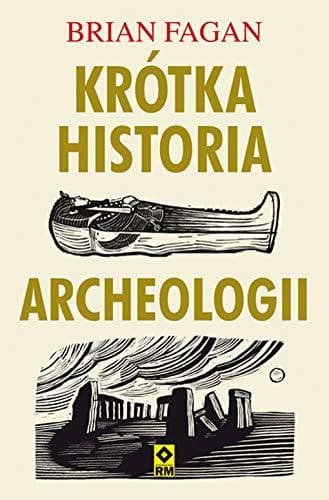
Krótka historia archeologii
Brian M. Fagan
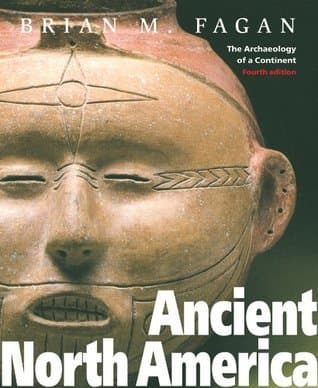
Ancient North America
Brian M. Fagan
Archaeology: A Brief Introduction
Brian M. Fagan

Beyond the Blue Horizon: How the Earliest Mariners Unlocked the Secrets of the Oceans
Brian M. Fagan

Cro-Magnon: How the Ice Age Gave Birth to the First Modern Humans
Brian M. Fagan

Elixir: A History of Water and Humankind
Brian M. Fagan

Fish on Friday: Feasting, Fasting, and the Discovery of the New World
Brian M. Fagan
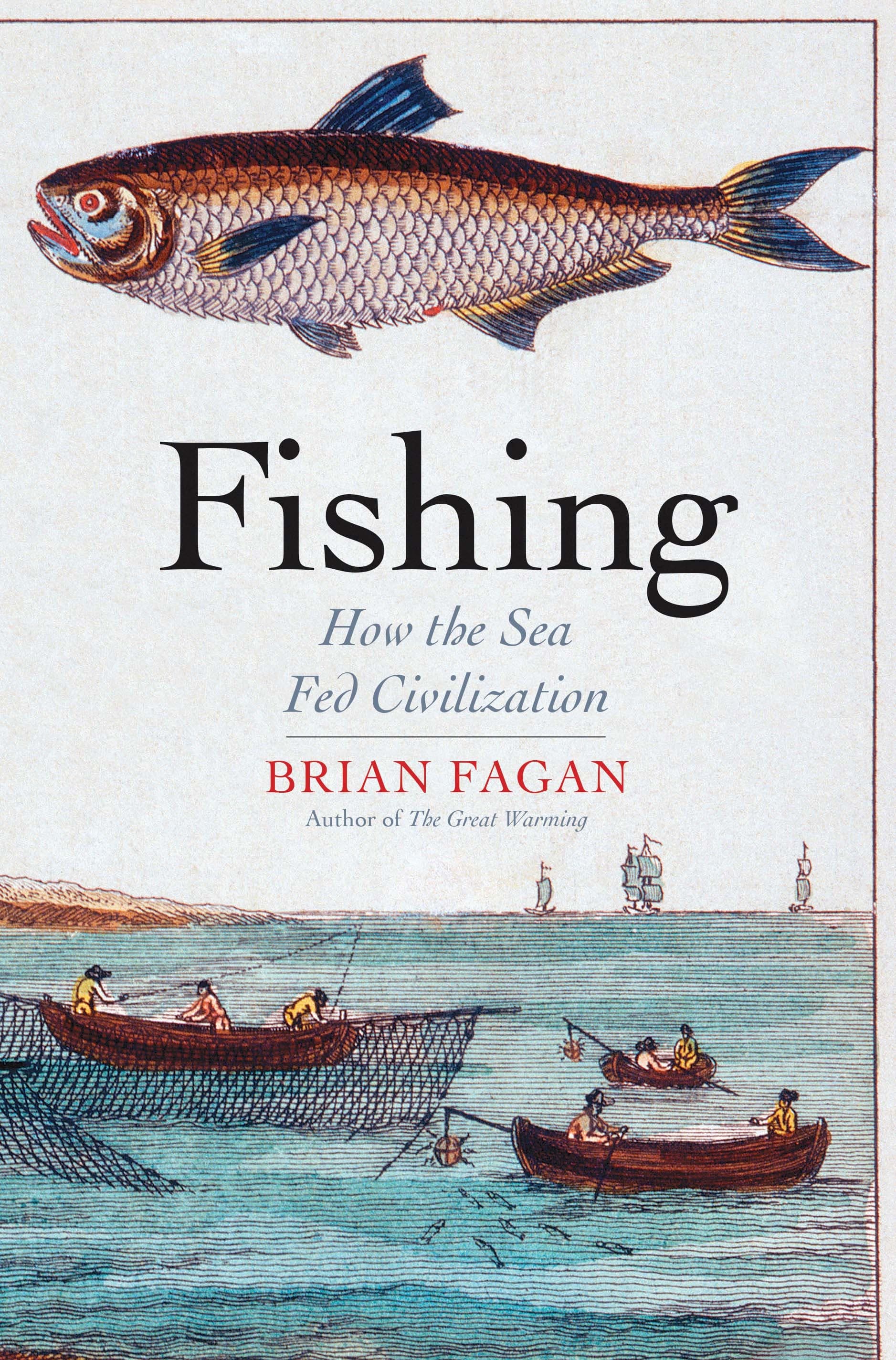
Fishing: How the Sea Fed Civilization
Brian M. Fagan

Floods, Famines, And Emperors: El Nino And The Fate Of Civilizations
Brian M. Fagan
Human Prehistory and the First Civilizations
Brian M. Fagan

People of the Earth: An Introduction to World Prehistory
Brian M. Fagan

The Attacking Ocean: The Past, Present, and Future of Rising Sea Levels
Brian M. Fagan

The Intimate Bond: How Animals Shaped Human History
Brian M. Fagan

The Little Ice Age: How Climate Made History 1300-1850
Brian M. Fagan

The Long Summer: How Climate Changed Civilization
Brian M. Fagan

The Peru Reader: History, Culture, Politics
César Vallejo, Bartolomé de las Casas, Ricardo Palma, Gustavo Gutiérrez, Orin Starn, Brian M. Fagan, Hiram Bingham, Alfredo Bryce Echenique, Jaime Bayly, Florencia E. Mallon, John Hemming, Garcilaso de la Vega, Steve J. Stern, Cecilia Blondet, Pedro Cieza de León, Flora Tristan, Nicomedes Santa Cruz, Antonio Cisneros, Gustavo Gorriti, Catherine J. Allen, Manuel González Prada, Irene Silverblatt, César Moro, José Carlos Mariátegui, Juan Velasco, Giovanna Pollarolo, Victor Raul Haya de la Torre, Eduardo González Viaña, Alberto Flores Galindo, Carleton Beals, Javier Sologuren, Felipe Guamán Poma de Ayala, John Murra, Javier Heraud, José María Arguedas, Carmen Ollé, María Emilia Cornejo, PANCHO, Ponciano del Pino, José María Salcedo, Marco Martos, Jose Antonio de Areche, Luis Minaya, Luis Valcarcel, Abimael Guzmán, Alberto Fujimori, Josephe de Mugaburu y Honton, Manuel Cordova, Juan Pevez, Gabriel Aragon, Mercedes Torribio, Julio Ramon Ribreyo, Osman Morote, Nicario, Raquel Martin de Mejia, Ranulfo Fuentes, Maria Elena Moyano, Salomon Lerner, Jo Ann Dawell, Chaname, Caretas, Alberto Kouri, Vladimiro Montesinos, Nosquien y los Nosecuantos, Enrique Bossio, Mario Vargas Lllosa

The Rape of the Nile: Tomb Robbers, Tourists, and Archaeologists in Egypt
Brian M. Fagan

The Seventy Great Mysteries of the Ancient World
Brian M. Fagan

Time Detectives: How Archaeologists Use Technology to Recapture the Past
Brian M. Fagan