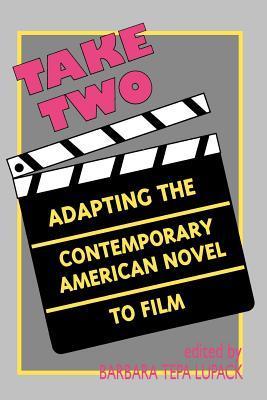
Take Two: Adapting the Contemporary American Novel to Film
- Tytuł oryginalny
- Atomic Habits
- Język oryginału
- Angielski
- Liczba stron
- 320
- Wydawnictwo
- Avery
O tej książce
"We should avoid making films out of books," argued Ingmar Bergman. Fortunately, few filmmakers have heeded his counsel. From Edwin S. Porter to Mike Nichols, from D.W. Griffith to Steven Spielberg, American filmmakers in particular have routinely looked to literature and especially to the novel for story ideas; and, in adapting that material for the screen, they have often interpreted it in ways other than the original authors might have intended. Different in its complexities from the classic novels of Dickens, London and Tolstoy to which earlier filmmakers turned, the contemporary American novel, especially the novel that has achieved a kind of cult status, poses a real challenge to the contemporary filmmaker, who must translate its occasionally unfilmable essence for a new audience. Take Two closely analyzes the adaptations of ten such works: Catch-22, One Flew Over the Cuckoo's Nest, Slaughterhouse-Five, Being There, The World According to Garp, Sophie's Choice, The Color Purple, Ironweed, Tough Guys Don't Dance, and Billy Bathgate. The essays, whose authors include some of the foremost scholars of contemporary American literature and film, offer critical insights into the visions of both the novelist and the filmmaker as well as important discussions of how those visions converge and diverge. The essays thus contribute not only to an understanding of the relationship of any given film to the book which inspired it but also to the lively and continuing debate on the very nature and merits of adaptation itself.
Więcej od Barbara Tepa Lupack
A Round Table of Contemporary Arthurian Poetry
Barbara Tepa Lupack, Alan Lupack
Adapting the Arthurian Legends for Children: Essays on Arthurian Juvenalia (Arthurian Studies (Palgrave Macmillan
Barbara Tepa Lupack
Being There in the Age of Trump
Barbara Tepa Lupack
Early Race Filmmaking in America
Barbara Tepa Lupack