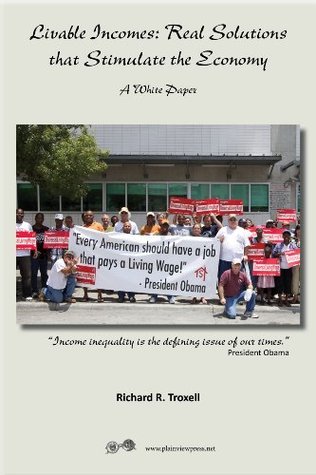
Livable Incomes: Real Solutions that Stimulate the Economy: A call to action to create economic stability and growth
by Edgar S. Cahn, Richard Troxell
- Tytuł oryginalny
- Atomic Habits
- Język oryginału
- Angielski
- Liczba stron
- 320
- Wydawnictwo
- Avery
O tej książce
A national standard for Livable Incomes combined with the practice of Discharging No One Into Homelessness will prevent and reverse the condition of homelessness and create economic stimulus and stability locally and nationally. This paper focuses on homelessness prevention as a national economic stimulus. The prevention of economic homelessness means more citizens with money to spend, which is good for business, good for the tax payer, good for the American worker, and the answer to several hard core American problems.This paper outlines basic, pragmatic steps for preventing homelessness in the nation. The paper examines homelessness in terms of poverty. We establish a pathway to prevent homelessness by creating Livable Incomes for those who can work (Universal Living Wage) and for those who cannot work, fixing the National Supplemental Security Income (SSI system at both the National and State level). We have tried to stress the value of all people and all work. We cannot emphasize enough the economic benefits to business and taxpayers alike with this approach.This paper also looks at another significant conceptual Discharge No One into Homelessness. This is the idea that at no time do we know as much about an individual as when they enter one of our Institutions (e.g. Hospital, Prison, Military, Mental Health Facility, Youth Aging Out of Foster Care, etc.) Therefore, we should begin to prepare for their eventual discharge into a safe housing environment, immediately. This will also prevent their homelessness. The paper shakes out this concept by looking at a pragmatic example... the Prison Institution, from two perspectives.The paper opens with a framing preface from the brilliant Professor Edgar Cahn who among many other remarkable accomplishments is credited with the creation of civil legal services for poor people in America. Dr. Cahn opens his remarks with his vision to value all human contributions and the need to identify them as a form of work.This refreshing perspective is coupled with an insightful overview of the most recent origin of homelessness in American by the indefatigable Sue Watlov-Phillips, practicing psychologist, political activist and Board Member Emeritus of the National Coalition for the Homeless. The paper then explores clear cut approaches to prevent homelessness in our nation.The paper opens with a brief view of current approaches used to combat homelessness. However, combating homelessness is not preventing homelessness, so the paper explains the concept of the Universal Living Wage and then delves into the four approaches to prevent Fixing the Federal Minimum Wage with a formula that ensures that if a person works 40 hours in a week, they will be able to afford basic food, clothing, shelter (including utilities), public transportation and access to emergency health care, wherever that work is done throughout the nation. This will end homelessness for 1 million people, and prevent economic homelessness for all 20 million minimum wage workers.2./3. For those who cannot work, we suggest another approach – fixing the Supplemental Social Security Income, SSI program form either a state or national perspective. This will stop the current practice of placing a non-sustaining disability check into the hands of our nation’s disabled citizens who due to these limited economic funds eventually find themselves living on the streets of America with a check in their pockets.4. Realizing that at no time do we know as much about an individual’s needs as when they have entered one of our major institutions, the paper proposes an ethical standard and methodology for these institutions to devise their own blueprint to “Discharge No One into Homelessness.