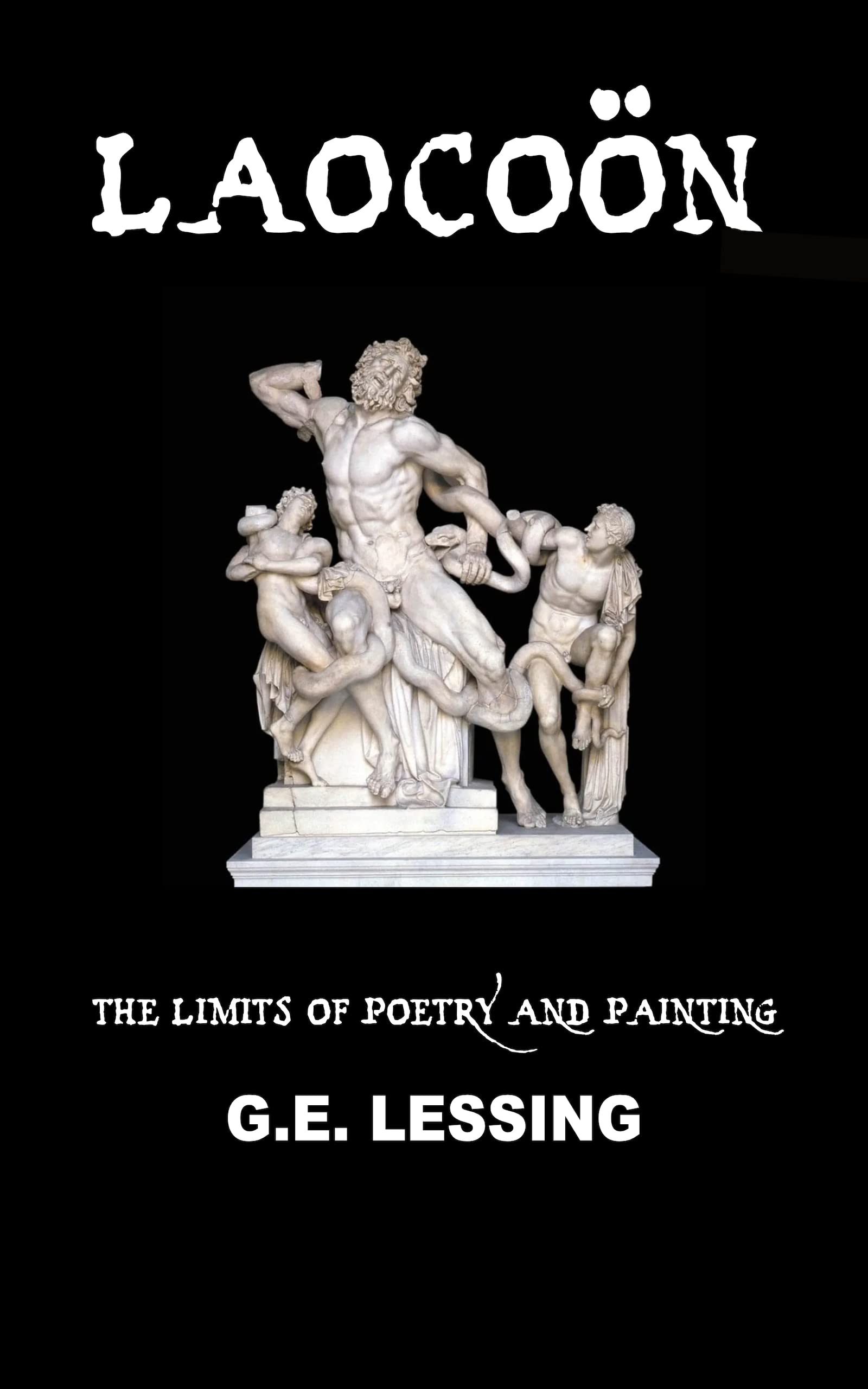
Laocoön: The Limits of Poetry and Painting
- Tytuł oryginalny
- Atomic Habits
- Język oryginału
- Angielski
- Liczba stron
- 320
- Wydawnictwo
- Avery
O tej książce
The study of the Laocoön sculpture led Winkelmann, in his essays on the Imitation of the Ancients in Painting and Statuary, to remark that the principal characteristics of Greek sculpture were simplicity and quiet grandeur. “In the anguish and suffering of the Laocoön, which is shown in every muscle and nerve, we see the tried spirit of a great man, who wrestles with torment and seeks to suppress and confine within itself the outbreak of sensibility. He does not burst forth into a loud cry as Virgil describes him to us, but only sad and still sighs come from him…” Observing that natural beauty underlaid the beautiful forms of Greek art, Winkelmann believed that greatness of soul was intended to overcome all expression of pain in Laocoön. Winkelmann’s remarks stimulated the critical faculty of Lessing, and together with a perusal of the works of Spence and Caylus, led to his profound examination of the then generally accepted thesis which had been current even before the time of Plutarch and Pliny, namely, that poetry was a speaking picture, and painting a dumb poem. Lessing, though he held a great reverence for Winkelmann, could not bring himself to accept this dictum about Laocoön. On the contrary, he maintained that the Greeks would have considered the scream of bodily anguish quite compatible with greatness of soul – a proposition which in Germany was fruitful in results as to the theory of tragedy, and which overcame the anger and resolute opposition Herder, and won the approbation of both Schiller and Goethe. Lessing maintained that the first and highest law of ancient art was the production of Beauty; this art therefore avoided all caricature, all extremes of passion which bordered on what was hideous. “The true and proper end of art is that which she ever works out for herself without the aid of any other art.” That end is, in plastic art, corporeal beauty, to be found only in humans, and in them only by virtue of an ideal.This text is a well-edited compilation of three translations of Lessing’s famous essay, and includes informative notes from these translators as well as Lessing’s own notes and his notes for planned future volumes on the same subject.
Więcej od Gotthold Ephraim Lessing
Analekten für die Litteratur
Gotthold Ephraim Lessing
Ausgewählte Gedichte
Gotthold Ephraim Lessing
Aydınlanma Nedir?
Immanuel Kant, Gotthold Ephraim Lessing, Friedrich Schiller, Johann Gottfried Herder, Johann Georg Hamann, Moses Mendelssohn, Christoph Martin Wieland, Andreas Riem, Johann Benjamin Erhard
Briefe, die neueste Literatur betreffend
Gotthold Ephraim Lessing