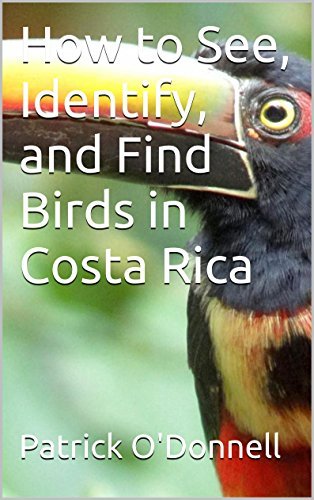
How to See, Identify, and Find Birds in Costa Rica
- Tytuł oryginalny
- Atomic Habits
- Język oryginału
- Angielski
- Liczba stron
- 320
- Wydawnictwo
- Avery
O tej książce
Every birder visiting Costa Rica wants to know where they can see specialties like Resplendent Quetzal, Three-wattled Bellbird, and macaws. They also want to know sites for regional endemics, antbirds, antpittas, and other reclusive , rainforest species. Some would also like to know about their chances at seeing Harpy Eagle, Gray-headed Piprites, and Great Tinamou (slim for the first two, very good for the third). However, even if you know where to look, and know your chances at seeing these and 900 other species on the Costa Rica bird list, a couple other factors also come into play when birding this Central American (1) how to look for the birds in question, and (2) their identification.Unlike temperate zone birding, most bird species of tropical rainforest are naturally rare. They occur in low density populations, require certain microhabitats, and can be susceptible to seemingly small changes in their environment. These and other aspects of tropical birding mean that your chances of finding more species improve if you know how to look for various tropical birds in addition to knowing where to look.“How to See, Find, and Identify Birds in Costa Rica” answers these and other questions for finding tinamous, quail-doves, cotingas, manakins, and many other neotropical birds.-Information about the best places in the country for rare species like Bare-necked Umbrellabird and hawk-eagles.-Checklists of common species, rare species that are easier to find outside of Costa Rica, and a list of bird species easier to find within Costa Rica.-Tips for identification of woodcreepers, raptors, hummingbirds, flycatchers, and other challenging avian families.-An up to date site guide that covers most parts of the country including descriptions of “birdy” hotels in the Central Valley, classic sites, new sites, ideas for pelagic trips, etc.-Suggestions for itineraries as brief as one day as well as birding trips of three weeks or more.-General information for planning the trip and while birding in Costa Rica.Use "How to See, Find, and Identify Birds in Costa Rica" to prepare for any birding trip to Costa Rica and help you see and identify more species. Much of the information in this 700 plus page book can also be applied to birding in other Neotropical countries.PARTIAL TABLE OF CONTENTSSECTION ONE1.1 Introduction1.2 How to Use This Book1.3 Regions, Geography, and Habitats1.3a. Forest1.3b. Second Growth and Non-Forest Habitats1.3c. Wetlands1.4 What to Expect While Birding in Costa Rica1.5 Some Essentials1.6 Lists of Bird SpeciesSECTION 2How to See Unfamiliar Birds not Found in Temperate Zones2.1 How to See More Ground Birds2.2 How to See More Raptors2.3 How to See More Owls2.4 How to See More Hummingbirds2.5 How to See More Trogons2.6 How to See the Two, Uncommon, Small Kingfishers2.7 How to See "Sit and Wait" Birds2.8 How to See More Antbirds2.9 How to See Cotingas2.10 How to See Manakins and Identify the Females2.11 How to See Nightingale-Thrushes2.12 How to Bird Mixed FlocksSECTION 3How to Identify More Birds in Costa Rica3.1 Tiger-herons3.2 Raptors3.3 Parrots in Flight3.4 Hummingbirds3.5 Swifts3.6 Woodcreepers3.7 Kiskadee-Type Flycatchers3.9 Myiarchus Flycatchers3.10 EuphoniasSECTION 4 -593 pagesWhere to See Birds in Costa Rica – Sites Arranged by Region4.1 Central Valley West4.