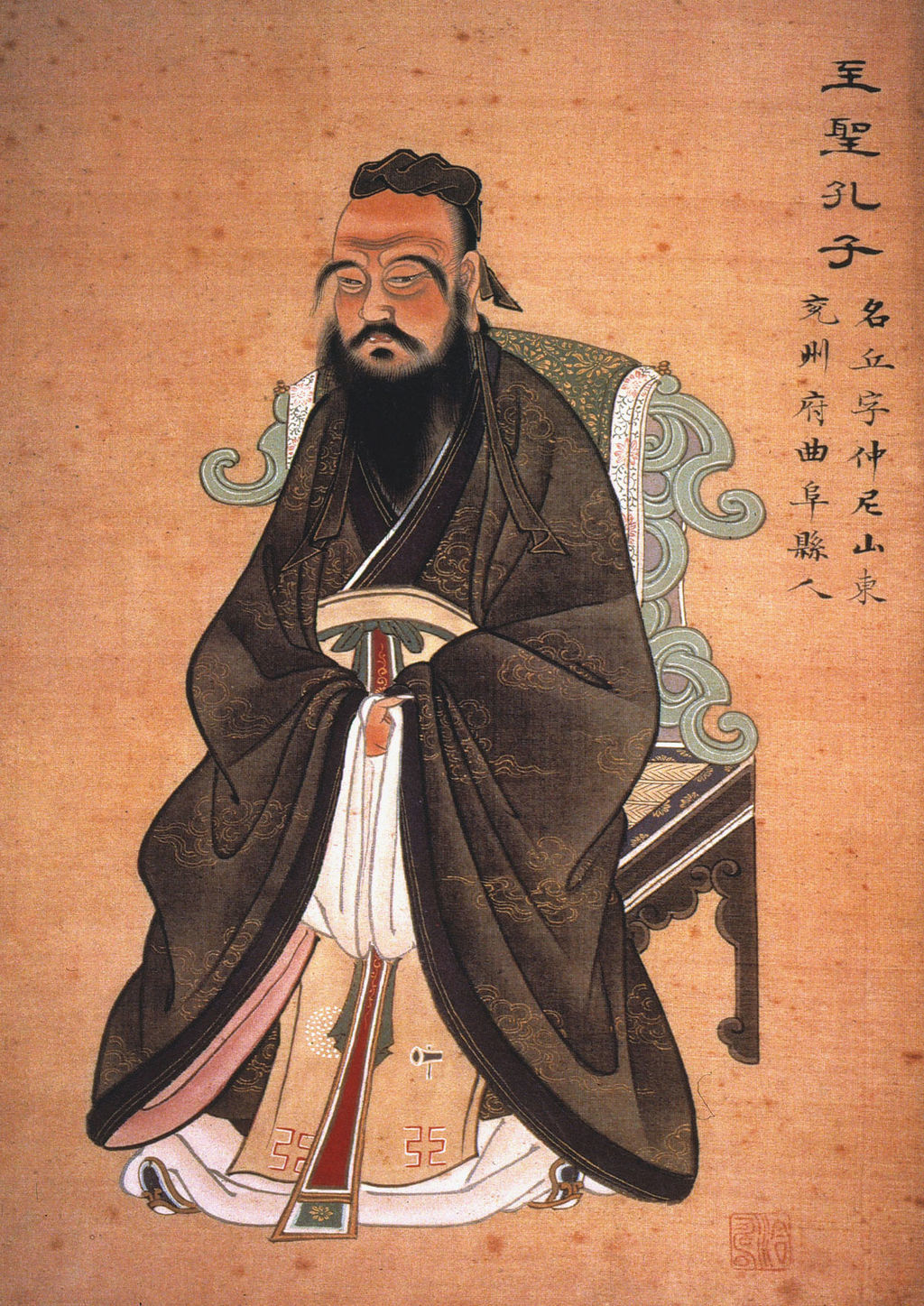
A Story from Confucius
by Confucius
- Tytuł oryginalny
- Atomic Habits
- Język oryginału
- Angielski
- Liczba stron
- 320
- Wydawnictwo
- Avery
O tej książce
A Story from Confucius is a lesson in self-control, published in Chinese Fables and Folk Stories (1908), translated by Mary Hayes Davis and Chow-Leung.Confucius once heard two of his pupils quarreling. One was of a gentle nature and was called by all the students a peaceful man. The other had a good brain and a kind heart, but was given to great anger. If he wished to do a thing, he did it, and no man could prevent; if any one tried to hinder him, he would show sudden and terrible rage.One day, after one of these fits of temper, the blood came from his mouth, and, in great fear, he went to Confucius. "What shall I do with my body?" he asked, "I fear I shall not live long. It may be better that I no longer study and work. I am your pupil and you love me as a father. Tell me what to do for my body."Confucius answered, "Tsze-Lu, you have a wrong idea about your body. It is not the study, not the work in school, but your great anger that causes the trouble."I will help you to see this. You remember when you and Nou-Wui quarreled. He was at peace and happy again in a little time, but you were very long in overcoming your anger. You can not expect to live long if you do that way. Every time one of the pupils says a thing you do not like, you are greatly enraged. There are a thousand in this school. If each offends you only once, you will have a fit of temper a thousand times this year. And you will surely die, if you do not use more self-control. I want to ask you some questions:—"How many teeth have you?""I have thirty-two, teacher.""How many tongues?""Just one.""How many teeth have you lost?""I lost one when I was nine years old, and four when I was about twenty-six years old.""And your tongue—is it still perfect?""Oh, yes.""You know Mun-Gun, who is quite old?""Yes, I know him well.""How many teeth do you think he had at your age?""I do not know.""How many has he now?""Two, I think. But his tongue is perfect, though he is very old.""You see the teeth are lost because they are strong, and determined to have everything they desire. They are hard and hurt the tongue many times, but the tongue never hurts the teeth. Yet, it endures until the end, while the teeth are the first of man to decay. The tongue is peaceful and gentle with the teeth. It never grows angry and fights them, even when they are in the wrong. It always helps them do their work, in preparing man's food for him, although the teeth never help the tongue, and they always resist everything."And so it is with man. The strongest to resist, is the first to decay; and you, Tsze-Lu, will be even so if you learn not the great lesson of self-control."
Więcej od Confucius
100 quotes by Confucius: Great philosophers & their inspiring thoughts
Confucius
180 Masterpieces You Should Read Before You Die (Vol.2): Timeless Classics and Revolutionary Works: Masterpieces of Literature's Greatest Minds
Benjamin Franklin, F. Scott Fitzgerald, Leo Tolstoy, Fyodor Dostoevsky, Jonathan Swift, Niccolò Machiavelli, Lao Tzu, Charles Dickens, W. Somerset Maugham, Edith Wharton, Gustave Flaubert, James Joyce, Thomas Hardy, Émile Zola, Edgar Allan Poe, Nathaniel Hawthorne, Harriet Beecher Stowe, Willa Cather, William Dean Howells, John Milton, Anthony Trollope, Kenneth Grahame, Washington Irving, Nikolai Gogol, Walter Scott, Jane Austen, G.K. Chesterton, W.B. Yeats, Johann Wolfgang von Goethe, Virginia Woolf, George MacDonald, Ford Madox Ford, Joseph Conrad, Victor Hugo, D.H. Lawrence, Jules Verne, H.G. Wells, Jerome K. Jerome, L.M. Montgomery, Rabindranath Tagore, Ivan Turgenev, Stendhal, Homer, Henry James, Kate Chopin, Alexandre Dumas, Bram Stoker, Dante Alighieri, Percy Bysshe Shelley, J.M. Barrie, Laurence Sterne, Henrik Ibsen, Daniel Defoe, E.M. Forster, Elizabeth von Arnim, Honoré de Balzac, James Fenimore Cooper, Sinclair Lewis, Confucius, Gaston Leroux, George Bernard Shaw, Edgar Wallace, Theodor Storm, John Buchan, Henry Fielding, Lew Wallace, Ann Radcliffe, William Walker Atkinson, George Grossmith, Pedro Calderón de la Barca, Benito Pérez Galdós, Kakuzō Okakura, Émile Coué, Bankim Chandra Chattopadhyay, Cao Xueqin, Willkie Collins
180 Masterpieces of World Literature (Vol.2): Enriched edition. Life is a Dream, The Awakening, Babbitt, Sense and Sensibility, Dubliners, Notre Dame, Odyssey…
Benjamin Franklin, F. Scott Fitzgerald, Leo Tolstoy, Jonathan Swift, Niccolò Machiavelli, Lao Tzu, Charles Dickens, W. Somerset Maugham, Edith Wharton, Gustave Flaubert, James Joyce, Thomas Hardy, Émile Zola, Edgar Allan Poe, Nathaniel Hawthorne, Harriet Beecher Stowe, Willa Cather, William Dean Howells, John Milton, Anthony Trollope, Fyodor Dostoyevsky, Kenneth Grahame, Washington Irving, Nikolai Gogol, Walter Scott, Jane Austen, G.K. Chesterton, W.B. Yeats, Johann Wolfgang von Goethe, Virginia Woolf, George MacDonald, Ford Madox Ford, Joseph Conrad, Victor Hugo, D.H. Lawrence, Jules Verne, H.G. Wells, Jerome K. Jerome, L.M. Montgomery, Rabindranath Tagore, Ivan Turgenev, Stendhal, Homer, Henry James, Kate Chopin, Alexandre Dumas, Bram Stoker, Dante Alighieri, Percy Bysshe Shelley, J.M. Barrie, Laurence Sterne, Henrik Ibsen, Daniel Defoe, E.M. Forster, Elizabeth von Arnim, Honoré de Balzac, James Fenimore Cooper, Sinclair Lewis, Confucius, Gaston Leroux, George Bernard Shaw, Edgar Wallace, Theodor Storm, John Buchan, Henry Fielding, Lew Wallace, Ann Radcliffe, William Walker Atkinson, Pedro Calderón de la Barca, Benito Pérez Galdós, Kakuzō Okakura, Émile Coué, Bankim Chandra Chattopadhyay, Cao Xueqin, George Weedon Grossmith, Willkie Collins
180 Masterpieces of World Literature (Vol.2): Life is a Dream, The Awakening, Babbitt, Sense and Sensibility, Dubliners, Notre Dame, Odyssey…
Benjamin Franklin, F. Scott Fitzgerald, Leo Tolstoy, Jonathan Swift, Niccolò Machiavelli, Lao Tzu, Charles Dickens, W. Somerset Maugham, Edith Wharton, Gustave Flaubert, James Joyce, Thomas Hardy, Émile Zola, Edgar Allan Poe, Nathaniel Hawthorne, Harriet Beecher Stowe, Willa Cather, William Dean Howells, John Milton, Anthony Trollope, Fyodor Dostoyevsky, Kenneth Grahame, Washington Irving, Nikolai Gogol, Walter Scott, Jane Austen, G.K. Chesterton, W.B. Yeats, Johann Wolfgang von Goethe, Virginia Woolf, George MacDonald, Ford Madox Ford, Joseph Conrad, Victor Hugo, D.H. Lawrence, Jules Verne, H.G. Wells, Jerome K. Jerome, L.M. Montgomery, Rabindranath Tagore, Ivan Turgenev, Stendhal, Homer, Henry James, Kate Chopin, Alexandre Dumas, Bram Stoker, Dante Alighieri, Percy Bysshe Shelley, J.M. Barrie, Laurence Sterne, Henrik Ibsen, Daniel Defoe, E.M. Forster, Elizabeth von Arnim, Honoré de Balzac, James Fenimore Cooper, Sinclair Lewis, Confucius, Gaston Leroux, George Bernard Shaw, Edgar Wallace, Theodor Storm, John Buchan, Henry Fielding, Lew Wallace, Ann Radcliffe, William Walker Atkinson, Pedro Calderón de la Barca, Benito Pérez Galdós, Kakuzō Okakura, Émile Coué, Bankim Chandra Chattopadhyay, Cao Xueqin, George Weedon Grossmith, Willkie Collins