
Get Back in the Box: Innovation from the Inside Out
autor Douglas Rushkoff
O tej książce
On a landscape that seems to be transforming itself with every new technology, marketing tactic, or investment strategy, businesses rush to embrace change by trading in their competencies or shifting their focus altogether. All in the name of innovation. But this endless worrying, wriggling, and trend watching only alienates companies from whatever it is they really do best. In the midst of the headlong rush to think "outside the box," the full engagement responsible for true innovation is lost. New consultants, new packaging, new marketing schemes, or even new CEOs are no substitute for the evolution of our own expertise as individuals and as businesses. Indeed, for all their talk about innovation, most companies today are still scared to death of it. To Douglas Rushkoff , this disconnect is not only predictable but welcome. It marks the happy end of a business cycle that began as long ago as the Renaissance, and ended with the renaissance in creativity and collaboration we're going through today. The age of mass production, mass media, and mass marketing may be over, but so, too, is the alienation it engendered between producers and consumers, managers and employees, executives and shareholders, and, worst of all, businesses and their own core values and competencies. American enterprise, in particular, is at a crossroads. Having for too long replaced innovation with acquisitions, tactics, efficiencies, and ad campaigns, many businesses have dangerously lost touch with the process -- and fun -- of discovery. "American companies are obsessed with window dressing," Rushkoff writes, "because they're reluctant, no, afraid to look at whatever it is they really do and evaluate it from the inside out. When things are down, CEOs look to consultants and marketers to rethink, rebrand, or repackage whatever it is they are selling, when they should be getting back on the factory floor, into the stores, or out to the research labs where their product is actually made, sold, or conceived." Rushkoff backs up his arguments with a myriad of intriguing historical examples as well as familiar gut checks -- from the dumbwaiter and open source to Volkswagen and The Gap -- in this accessible, thought-provoking, and immediately applicable set of insights. Here's all the help innovators of this era need to reconnect with their own core competencies as well as the passion fueling them.
Gdzie kupić
Brak dostępnych opcji zakupu.
Linki w tej sekcji są linkami afiliacyjnymi - jeśli po kliknięciu kupisz książkę, otrzymamy prowizję od sklepu. Cena dla Ciebie pozostaje taka sama.
Więcej od Douglas Rushkoff

Coercion: Why We Listen to What "They" Say
Douglas Rushkoff
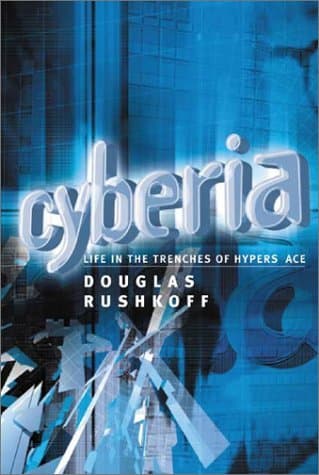
Cyberia. Życie w okopach hiperprzestrzeni
Douglas Rushkoff
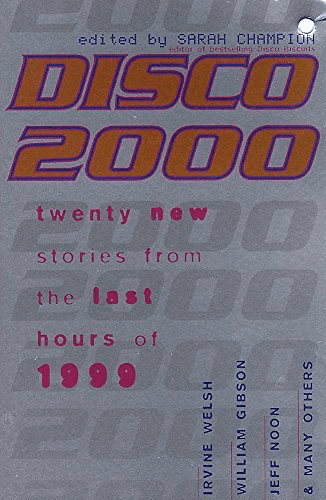
Disco 2000
Neal Stephenson, Paul Di Filippo, Grant Morrison, Poppy Z. Brite, Pat Cadigan, Steve Beard, Robert Anton Wilson, Margaret Millar, Douglas Rushkoff, Bill Drummond, Douglas Copeland, Steve Aylett, Nicholas Blincoe, Courttia Newland, Helen Mead, Charlie Hall, Jonathan Brook, Doug Hawes, Tanya Glyde, Sarah Champion

Ecstasy Club
Douglas Rushkoff

Exit Strategy
Douglas Rushkoff
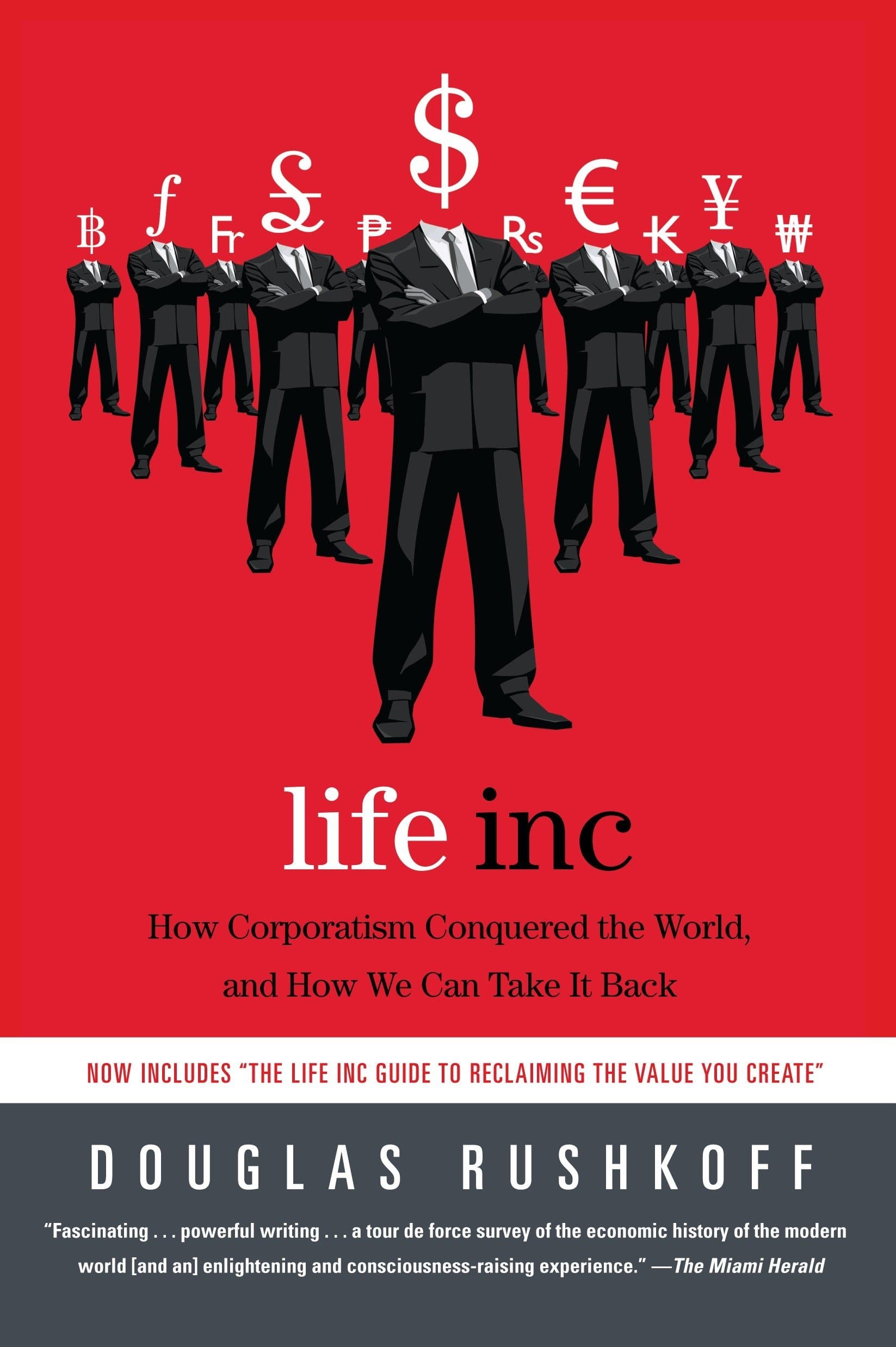
Life Inc.: How the World Became a Corporation and How to Take it Back
Douglas Rushkoff
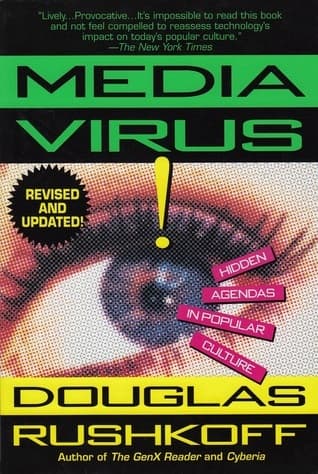
Media Virus!: Hidden Agendas in Popular Culture
Douglas Rushkoff

Nothing Sacred: The Truth About Judaism
Douglas Rushkoff

Program or Be Programmed: Ten Commands for a Digital Age
Douglas Rushkoff
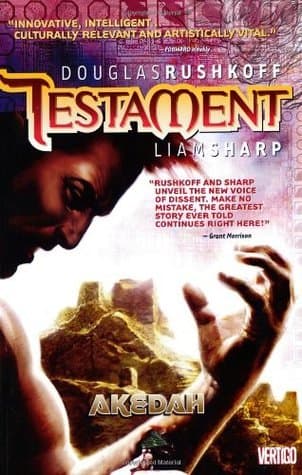
Testament, Vol. 1: Akedah
Liam Sharp, Douglas Rushkoff
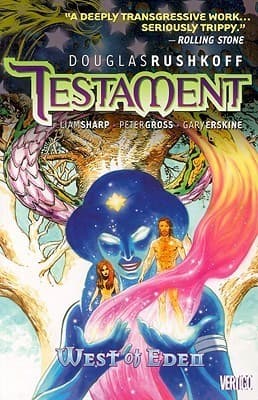
Testament, Vol. 2: West of Eden
Gary Erskine, Peter Gross, Liam Sharp, Douglas Rushkoff
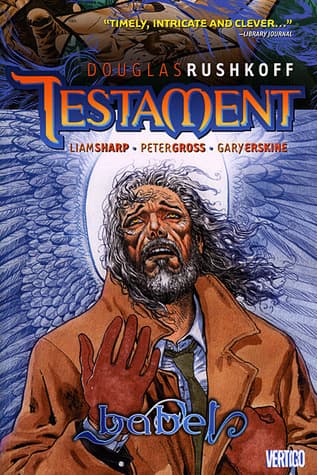
Testament, Vol. 3: Babel
Gary Erskine, Peter Gross, Liam Sharp, Douglas Rushkoff