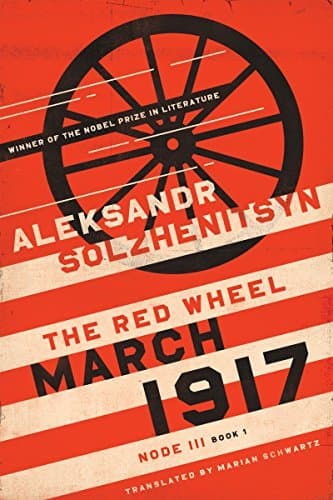
March 1917: The Red Wheel, Node III, Book 1
autor Aleksandr Solzhenitsyn
O tej książce
To commemorate the 100th anniversary of the Russian Revolution, the University of Notre Dame Press is proud to publish Nobel Prize–winner Aleksandr Solzhenitsyn’s epic work March 1917, Node III, Book 1, of The Red Wheel.The Red Wheel is Solzhenitsyn’s magnum opus about the Russian Revolution. Solzhenitsyn tells this story in the form of a meticulously researched historical novel, supplemented by newspaper headlines of the day, fragments of street action, cinematic screenplay, and historical overview. The first two nodes—August 1914 and November 1916—focus on Russia’s crises and recovery, on revolutionary terrorism and its suppression, on the missed opportunity of Pyotr Stolypin’s reforms, and how the surge of patriotism in August 1914 soured as Russia bled in World War I.March 1917—the third node—tells the story of the Russian Revolution itself, during which not only does the Imperial government melt in the face of the mob, but the leaders of the opposition prove utterly incapable of controlling the course of events. The action of book 1 (of four) of March 1917 is set during March 8–12. The absorbing narrative tells the stories of more than fifty characters during the days when the Russian Empire begins to crumble. Bread riots in the capital, Petrograd, go unchecked at first, and the police are beaten and killed by mobs. Efforts to put down the violence using the army trigger a mutiny in the numerous reserve regiments housed in the city, who kill their officers and rampage. The anti-Tsarist bourgeois opposition, horrified by the violence, scrambles to declare that it is provisionally taking power, while socialists immediately create a Soviet alternative to undermine it. Meanwhile, Emperor Nikolai II is away at military headquarters and his wife Aleksandra is isolated outside Petrograd, caring for their sick children. Suddenly, the viability of the Russian state itself is called into question.The Red Wheel has been compared to Tolstoy’s War and Peace, for each work aims to narrate the story of an era in a way that elevates its universal significance. In much the same way as Homer’s Iliad became the representative account of the Greek world and therefore the basis for Greek civilization, these historical epics perform a parallel role for our modern world.
Gdzie kupić
Brak dostępnych opcji zakupu.
Linki w tej sekcji są linkami afiliacyjnymi - jeśli po kliknięciu kupisz książkę, otrzymamy prowizję od sklepu. Cena dla Ciebie pozostaje taka sama.
Więcej od Aleksandr Solzhenitsyn
A World Split Apart: Commencement Address Delivered at Harvard University, June 8, 1978
Aleksandr Solzhenitsyn

Apricot Jam: And Other Stories
Aleksandr Solzhenitsyn
Sierpień czternastego t. 1-2
Aleksandr Solzhenitsyn, Alexander Solschenizyn

Oddział chorych na raka
Aleksandr Solzhenitsyn
Candle in the Wind
Aleksandr Solzhenitsyn
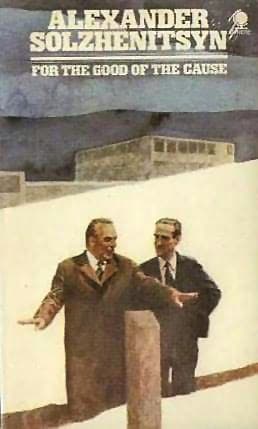
For the Good of the Cause
Aleksandr Solzhenitsyn
Iubeşte revoluţia!
Aleksandr Solzhenitsyn, Alexandr Soljenițîn
Le Déclin du courage
Aleksandr Solzhenitsyn, José Johannet, Geneviève Johannet, Alexandre Soljénitsyne
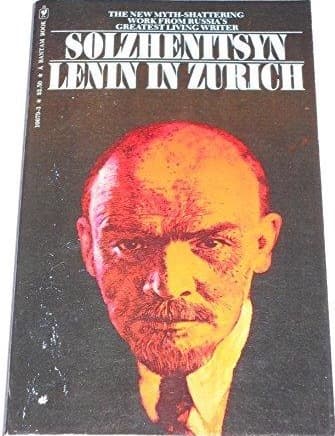
Lenin w Zurychu
Aleksandr Solzhenitsyn
Letter to the Soviet Leaders
Aleksandr Solzhenitsyn
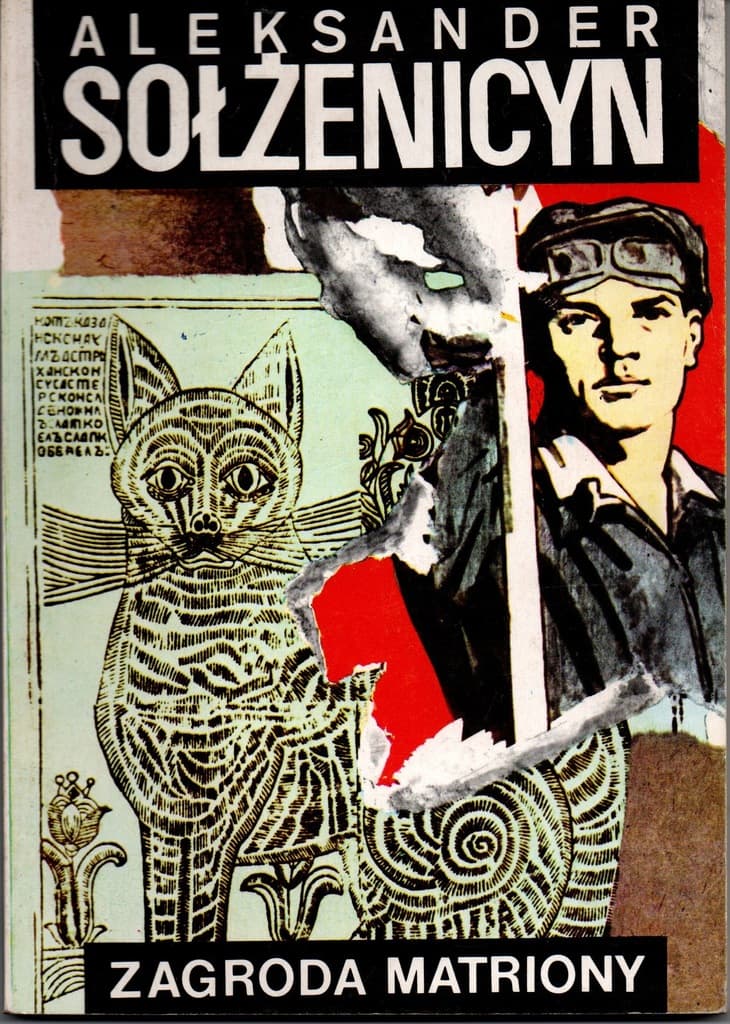
Zagroda Matriony
Aleksandr Solzhenitsyn
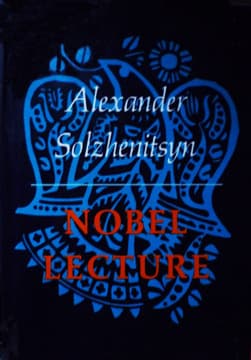
Nobel Lecture
Aleksandr Solzhenitsyn
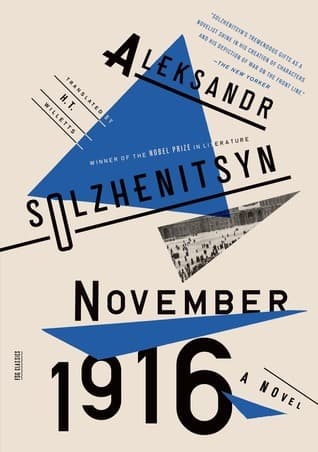
November 1916
H.T. Willetts, Aleksandr Solzhenitsyn
Povestiri și miniaturi
Aleksandr Solzhenitsyn, Alexandr Soljenițîn
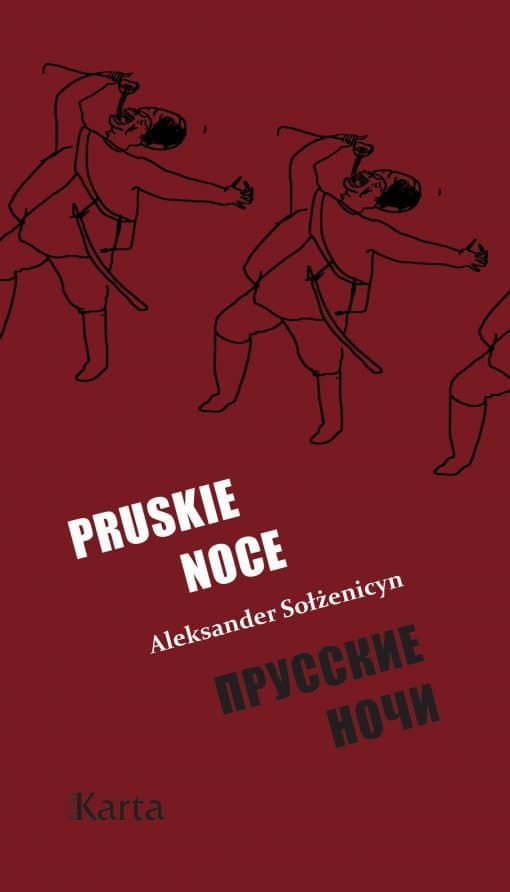
Pruskie noce
Aleksandr Solzhenitsyn

Krąg pierwszy
Aleksandr Solzhenitsyn
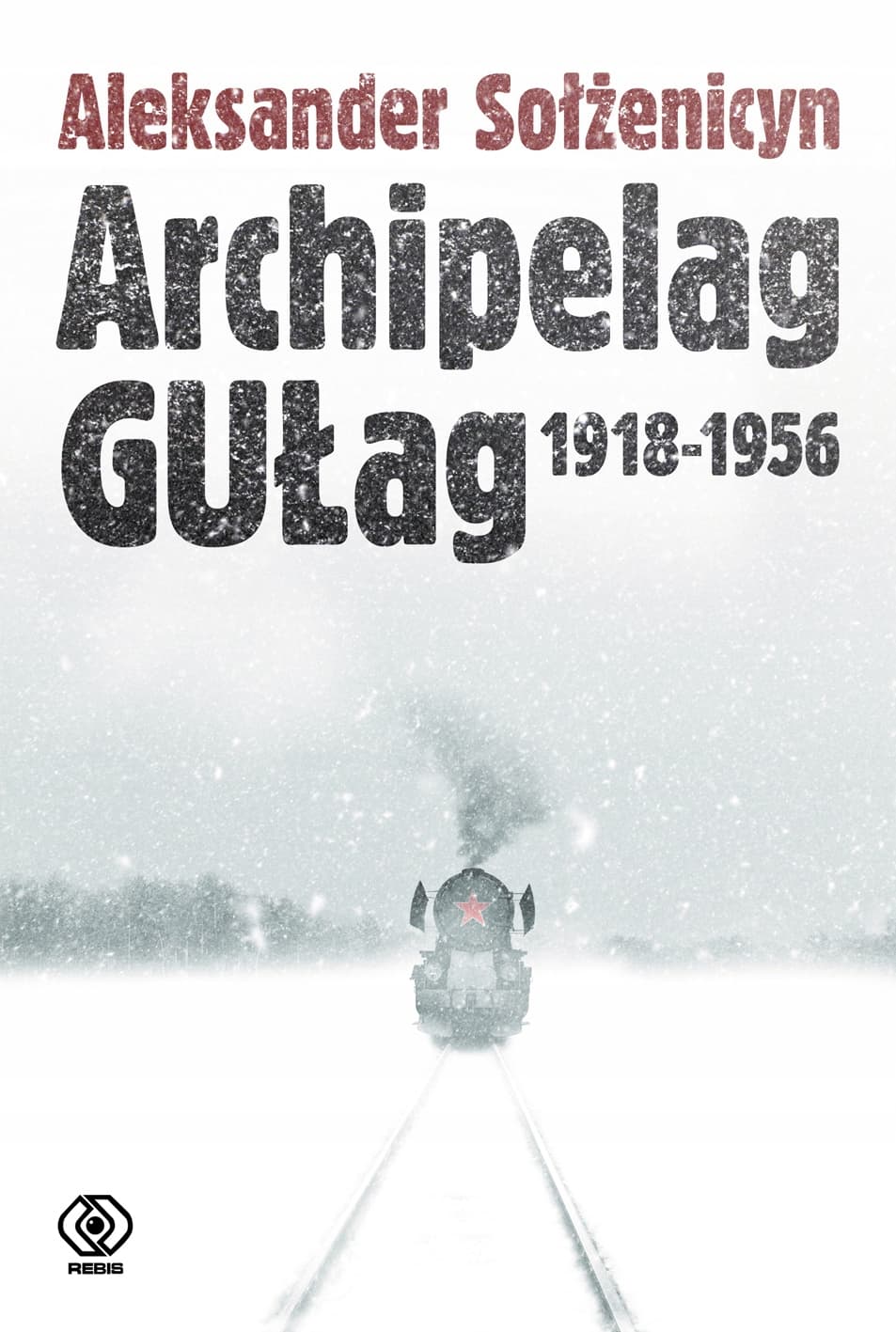
Archipelag GUŁag 1918-1956, Tom 1
Aleksandr Solzhenitsyn

Archipelag Gułag
Aleksandr Solzhenitsyn

Archipelag GUŁag 1918-1956, Tom 2
Aleksandr Solzhenitsyn