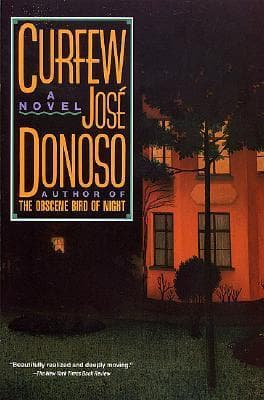
Curfew
autor José Donoso
O tej książce
Curfew takes place during one twenty-four hour period in January 1985. Matilde Neruda, widow of the Nobel Prize-winning poet, has just passed away, and various factions are rallying to turn the event to their advantage: for Pinochet's junta, it represents a chance to assert political authority, while for the intellectuals who had basked in the Nerudas' light, it is an opportunity to grab the spoils of the estate. Against this backdrop of complex, often conflicting motivations, Donoso weaves a portrait of a society struggling to fashion a daily existence for itself, and of an intelligentsia vainly attempting to salvage the remnants of glory days long gone by. But Curfew is also a story of the tragic love between Judit Torre, an upper-middle-class radical who wants to escape her bitter past; and Mañungo Vera, a native son returning after a successful career as a European pop singer. In the zone between documentary-like realism and grotesque absurdity, José Donoso evokes the suffocating atmosphere of a country under dictatorship, and its quietly devastating effect on the actions of those who live there.
Gdzie kupić
Brak dostępnych opcji zakupu.
Linki w tej sekcji są linkami afiliacyjnymi - jeśli po kliknięciu kupisz książkę, otrzymamy prowizję od sklepu. Cena dla Ciebie pozostaje taka sama.
Więcej od José Donoso
A House in the Country
José Donoso
Sacred Families: Three Novellas
José Donoso

The Mysterious Disappearance of the Marquise of Loria
José Donoso
Plugawy ptak nocy
José Donoso
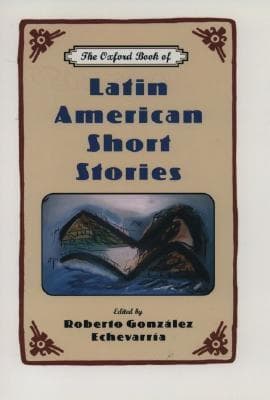
The Oxford Book of Latin American Short Stories
Julio Cortázar, Carlos Fuentes, Horacio Quiroga, João Guimarães Rosa, Roberto González Echevarría, Alejo Carpentier, Reinaldo Arenas, Juan Rulfo, Machado de Assis, Mario Vargas Llosa, María Luisa Bombal, Rubén Darío, Mario Benedetti, Inca Garcilaso de la Vega, Cristina Peri Rossi, José Donoso, Miguel Ángel Asturias, Juan Carlos Onetti, Augusto Roa Bastos, Rosario Ferré, Rosario Castellanos, Bartolomé de las Casas, Juana Manuela Gorriti, Ricardo Palma, Catalina de Erauso, Mário de Andrade, Lima Barreto, Rómulo Gallegos, Luisa Mercedes Levinson, José Balza, Enrique Amorim, Rafael Arévalo Martínez, Héctor A. Murena, Ramón Pané, Juan José Arreola, João do Rio, Esteban Echeverría, Juan Bosch