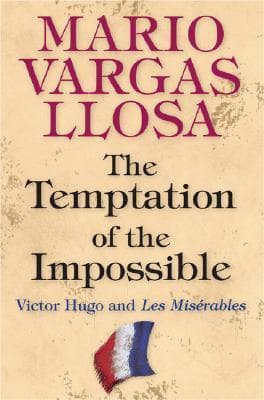
O tej książce
It was one of the most popular novels of the nineteenth century and Tolstoy called it "the greatest of all novels." Yet today Victor Hugo's Les Misérables is neglected by readers and undervalued by critics. In The Temptation of the Impossible, one of the world's great novelists, Mario Vargas Llosa, helps us to appreciate the incredible ambition, power, and beauty of Hugo's masterpiece and, in the process, presents a humane vision of fiction as an alternative reality that can help us imagine a different and better world. Hugo, Vargas Llosa says, had at least two goals in Les Misérables:to create a complete fictional world and, through it, to change the real world. Despite the impossibility of these aims, Hugo makes them infectious, sweeping up the reader with his energy and linguistic and narrative skill. Les Misérables, Vargas Llosa argues, embodies a utopian vision of literature: the idea that literature can not only give us a supreme experience of beauty, but also make us more virtuous citizens, and even grant us a glimpse of the "afterlife, the immortal soul, God." If Hugo's aspiration to transform individual and social life through literature now seems innocent, Vargas Llosa says, it is still a powerful ideal that great novels like Les Misérables can persuade us is true.
Gdzie kupić
Brak dostępnych opcji zakupu.
Linki w tej sekcji są linkami afiliacyjnymi - jeśli po kliknięciu kupisz książkę, otrzymamy prowizję od sklepu. Cena dla Ciebie pozostaje taka sama.
Więcej od Mario Vargas Llosa
Ciotka Julia i skryba
Mario Vargas Llosa
Rozmowa w "Katedrze"
Mario Vargas Llosa

Lituma w Andach
Mario Vargas Llosa
El sueño del celta
Mario Vargas Llosa
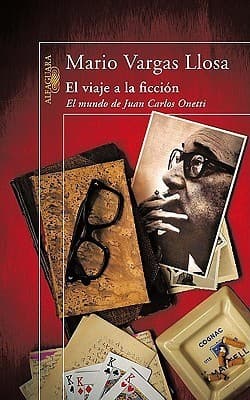
El viaje a la ficcion
Mario Vargas Llosa

In Praise of Reading and Fiction: The Nobel Lecture
Mario Vargas Llosa
Pochwała macochy
Mario Vargas Llosa

Making Waves
Mario Vargas Llosa
O mie și una de nopți
Mario Vargas Llosa
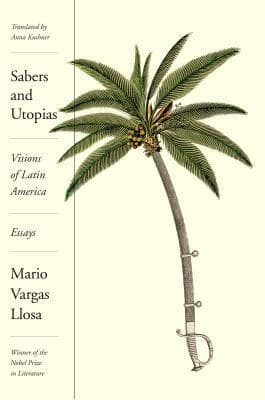
Sabers and Utopias: Visions of Latin America: Essays
Mario Vargas Llosa
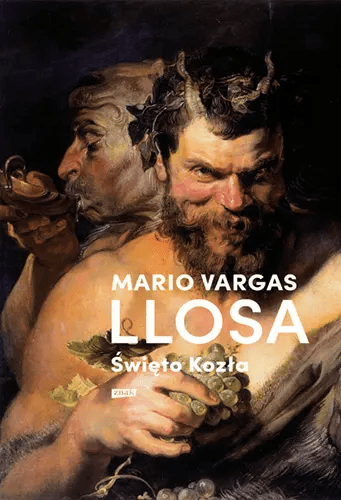
Święto Kozła
Mario Vargas Llosa
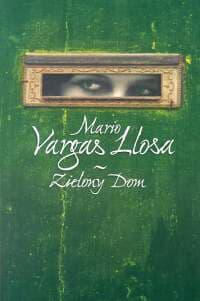
Zielony Dom
Mario Vargas Llosa
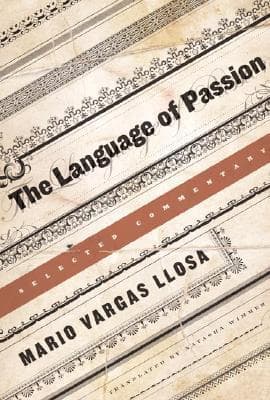
The Language of Passion: Selected Commentary
Mario Vargas Llosa
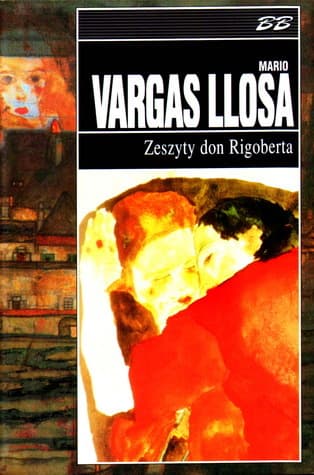
Zeszyty don Rigoberta
Mario Vargas Llosa

The Perpetual Orgy: Flaubert and Madame Bovary
Mario Vargas Llosa
Historia Alejandra Mayty
Mario Vargas Llosa

Wojna końca świata
Mario Vargas Llosa

Kto zabił Palomina Molero?
Mario Vargas Llosa
داخل المكتبة .. خارج العالم
Hermann Hesse, Rudyard Kipling, Neil Gaiman, Virginia Woolf, Henry Miller, Alberto Manguel, Vladimir Nabokov, Mario Vargas Llosa, Joseph Brodsky, سعد البازعي, راضي النماصي