O tej książce
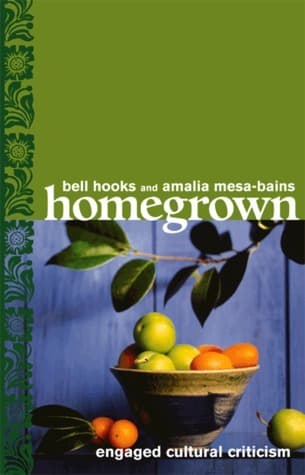
Mainstream rhetoric has made a concerted effort to polarize African Americans and Latinos, emphasizing differences in language and religion, while designating one or the other as the “favored minority” at will. In Witness , Amalia Mesa-Bains and bell hooks invite us to reexamine this politically popular binary and consider which differences are manufactured and which are real. In Witness , Mesa-Bains and hooks explore their own similarities and differences, sharing the ways their childhoods, families, and work have shaped their political activism, teaching, and artistic expression. Drawing on shared experiences of sexism, classism, and racism, hooks and Mesa-Bains show how people from divergent cultural backgrounds can work together for radical social change. While the black/Latino divide and the increasing cross-community political collaboration has been addressed in progressive newspapers and magazines, Witness , an inclusive call to reflect and act, is the first of its kind to look at these issues in depth. And Amalia Mesa-Bains, a pioneer scholar and producer of Chicana art, with bell hooks, one of the most acclaimed of African American theorists—prove an unparalleled match for the job. bell hooks is one of the leading public intellectuals of her generation. She has written extensively on the emotional impact of racism and sexism, particularly on black women, as well as the importance of political engagement with art and the media. In her recent work on love, relationships, and community, she shows how emotional health is a necessary component to effective resistance and activism. Amalia Mesa-Bains is an artist, curator, and writer who has initiated comprehensive exhibitions of Latino art, including Chicano Resistance and Affirmation and Mi Alma, Mi Tierra, Mi Contemporary Chicana Art . Her artwork incorporates various aspects of Chicano/a history, culture, and folk traditions, exploring religion, ritual, and female rites of passage. She won a MacArthur Fellowship in 1992.
Gdzie kupić
Brak dostępnych opcji zakupu.
Linki w tej sekcji są linkami afiliacyjnymi - jeśli po kliknięciu kupisz książkę, otrzymamy prowizję od sklepu. Cena dla Ciebie pozostaje taka sama.
Więcej od bell hooks
Ain't I a Woman: Black Women and Feminism
bell hooks
Wszystko o miłości. Nowe wizje
bell hooks

Appalachian Elegy: Poetry and Place
bell hooks
Art on My Mind: Visual Politics
bell hooks
Be Boy Buzz
bell hooks, Chris Raschka
Belonging: A Culture of Place
bell hooks
Black Looks: Race and Representation
bell hooks
Bone Black
bell hooks
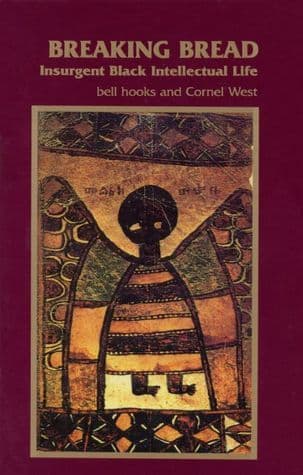
Breaking Bread: Insurgent Black Intellectual Life
bell hooks, Cornel West
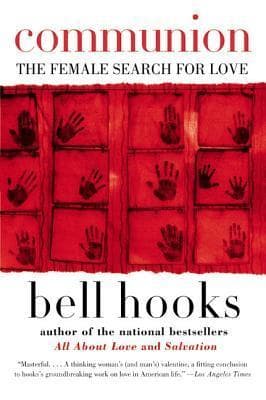
Communion: The Female Search for Love
bell hooks
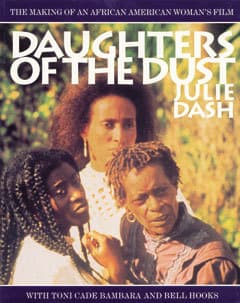
Daughters of the Dust: The Making of an African American Woman's Film
bell hooks, Toni Cade Bambara, Julie Dash
Eating the Other: Desire and Resistance
bell hooks
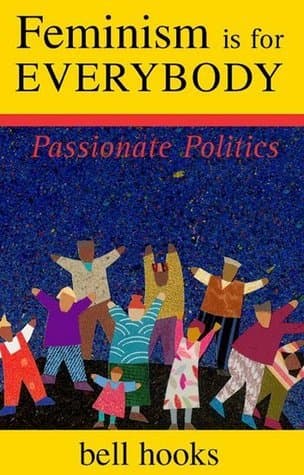
Feminism Is for Everybody: Passionate Politics
bell hooks
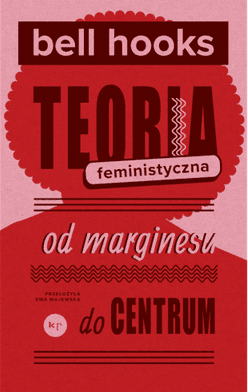
Teoria feministyczna. Od marginesu do centrum
bell hooks
Grump Groan Growl
bell hooks, Chris Raschka
Happy to Be Nappy
bell hooks
Homemade Love
bell hooks, Shane W. Evans
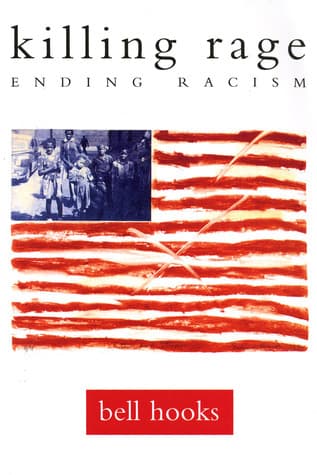
Killing Rage: Ending Racism
bell hooks
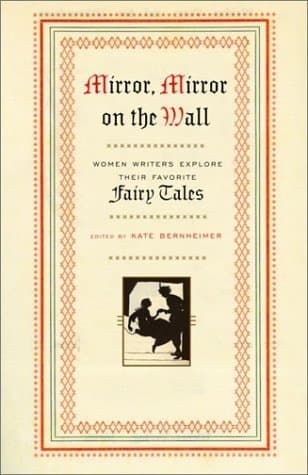
Mirror, Mirror on the Wall: Women Writers Explore Their Favorite Fairy Tales
Margaret Atwood, Joyce Carol Oates, Ann Beattie, Julia Alvarez, Lydia Millet, bell hooks, Rosellen Brown, Francine Prose, Deborah Eisenberg, Alice Adams, Jane Miller, Kathryn Davis, Terri Windling, Carole Maso, Joy Williams, Fay Weldon, Chitra Banerjee Divakaruni, Midori Snyder, Lucy Grealy, Linda Gray Sexton, Kate Bernheimer, Vivian Gornick, Connie Rose Porter, Fanny Howe, Patricia Foster, Maria Flook, Fern Kupfer, Ursula K. Le Guin, A.S. Byatt