

O tej książce
The only extant play by the great Irish novelist, Exiles is of interest both for its autobiographical content and for formal reasons. In the characters and their circumstances details of Joyce's life are evident. The main character, Richard Rowan, the moody, tormented writer who is at odds with both his wife and the parochial Irish society around him, is clearly a portrait of Joyce himself. The character of Rowan's wife, Bertha, is certainly influenced by Joyce's lover and later wife, Nora Barnacle, with whom he left Ireland and lived a seminomadic existence in Zurich, Rome, Trieste, and Paris. As in real life, the play depicts the couple with a young son and, like Joyce, Rowan has returned to Ireland because of his mother's illness and subsequent death.One can also detect hints of Joyce's interest in Nietzsche in Rowan's flawed pursuit of total individual freedom despite the stifling morals of Irish society. Though wrestling with guilt over his own infidelities, Rowan insists on this personal liberty, not only for himself but for his wife as well, who he knows is tempted by his cousin's amorous overtures.Joyce's decision to express himself in the form of a play no doubt reflects his long admiration of the Norwegian playwright Henrik Ibsen. In the tense dialogue, the largely interior drama focused on the characters' relationships, the undertones of guilt, and the longing for freedom one sees similarities with Ibsen's themes. Also the spare, understated writing style - so unlike Joyce's exuberant, playful, and experimental use of language in his novels - shows the influence of Ibsen's "naked drama" (as Joyce described Ibsen's style in a published review). Above all, Joyce emulated the Scandinavian master in making the central issue of his drama the conflict between individual freedom and a demanding, judgmental society. In Exiles the protagonists struggle with the choice between living in defiance of the rigid conventions of Irish society or exile from their homeland.Though lesser-known, Exiles, written after Portrait of the Artist as a Young Man and while Joyce was working on Ulysses, provides interesting insights into the development of the creative gifts of a literary genius.
Gdzie kupić

Linki w tej sekcji są linkami afiliacyjnymi - jeśli po kliknięciu kupisz książkę, otrzymamy prowizję od sklepu. Cena dla Ciebie pozostaje taka sama.
Więcej od James Joyce

21 Great Stories
John Steinbeck, Ambrose Bierce, Guy de Maupassant, Edgar Allan Poe, Ray Bradbury, Lord Dunsany, James Thurber, Mark Twain, Saki, James Joyce, Arthur Conan Doyle, Jack London, Frank R. Stockton, Luigi Pirandello, Max Brand, Walter Van Tilburg Clark, Wilbur Daniel Steele, C.D.B. Bryan, Abraham H. Lass, Carl Stephenson, Kaatje Hurlbut

50 Masterpieces you have to read before you die vol: 1
Leo Tolstoy, Charles Dickens, Fyodor Dostoyevsky, E.E. Cummings, Oscar Wilde, Bram Stoker, Henry James, Willa Cather, Jane Austen, Charlotte Brontë, Emily Brontë, Anne Brontë, Louisa May Alcott, James Joyce, Arthur Conan Doyle, Edgar Rice Burroughs, Alexandre Dumas, Joseph Conrad, Gustave Flaubert, D.H. Lawrence, Lewis Carroll, Miguel de Cervantes Saavedra, Honoré de Balzac, Daniel Defoe, Victor Hugo, George Eliot
A Mother
James Joyce
A Painful Case
James Joyce
Portret artysty w wieku młodzieńczym
James Joyce
A Portrait of the Artist as a Young Man / Dubliners
James Joyce
Araby
James Joyce
Muzyka kameralna
James Joyce
Clay
James Joyce
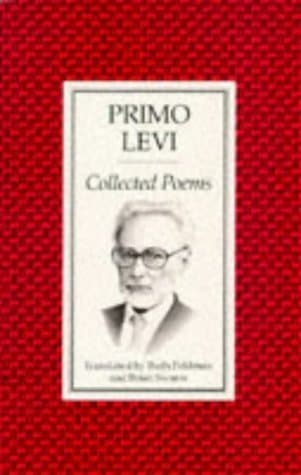
Collected Poems
James Joyce
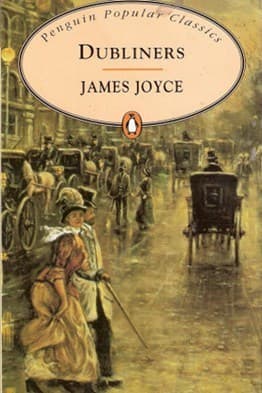
Counterparts
James Joyce
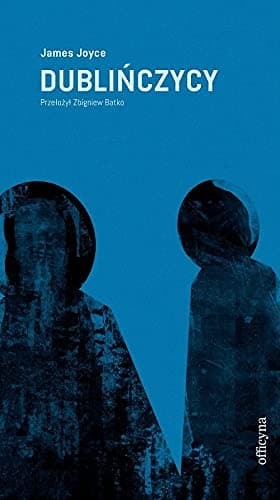
Dublińczycy
James Joyce, Terence Brown
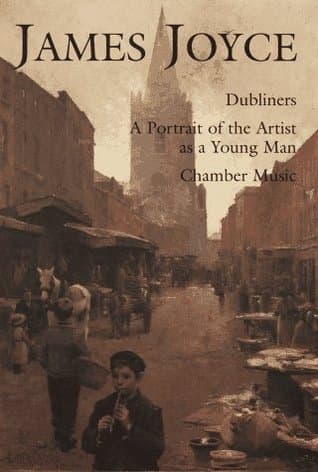
Dubliners / A Portrait of the Artist as a Young Man / Chamber Music
James Joyce
Epiphanies
James Joyce
Eveline
James Joyce
Finn's Hotel
James Joyce
Finneganów tren
James Joyce
Giacomo Joyce
James Joyce

Grace
James Joyce