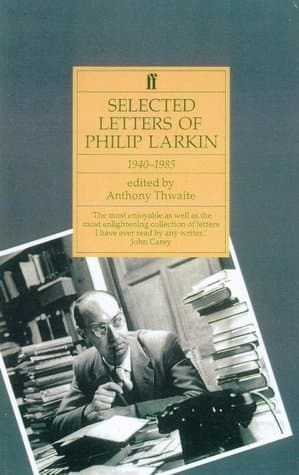
Selected Letters, 1940-1985
autor Philip Larkin
O tej książce
In addition to his acknowledged position as one of Britain's most important poets of the post-World War II era, Philip Larkin was unquestionably one of the last great letter writers. There are over seven hundred letters in this impressive collection, dating from Larkin's late teens until close to his death at the age of sixty-three in 1985. Early letters to school friends, including the writer Kingsley Amis, form a portrait of the young artist, full of jazz, literature, and obscenities. Later correspondents include the novelist Barbara Pym (whose fictional portraits of genteel English country life Larkin so admired), Robert Conquest, Andrew Motion, and Julian Barnes.In his Introduction, Anthony Thwaite writes: "What is remarkable, for all the masks he put on, is how consistently Larkin emerges, whoever he is writing to . . . [The letters] are an informal record of the lonely, gregarious . . . intolerant, compassionate, eloquent, foul-mouthed, harsh and humorous Philip Larkin, who was not only one of the finest poets of our time but also a compulsive and entertaining letter-writer."
Gdzie kupić
Brak dostępnych opcji zakupu.
Linki w tej sekcji są linkami afiliacyjnymi - jeśli po kliknięciu kupisz książkę, otrzymamy prowizję od sklepu. Cena dla Ciebie pozostaje taka sama.
Więcej od Philip Larkin
Zimowe królestwo
Philip Larkin
Zebrane
Philip Larkin
High Windows
Philip Larkin
Jill
Philip Larkin
Philip Larkin: Letters to Monica
Philip Larkin

Philip Larkin: Poems selected by Martin Amis
Philip Larkin
Philip Larkin: Selected Poems
Philip Larkin, John Gilroy
Required Writing: Miscellaneous Pieces 1955-1982
Philip Larkin
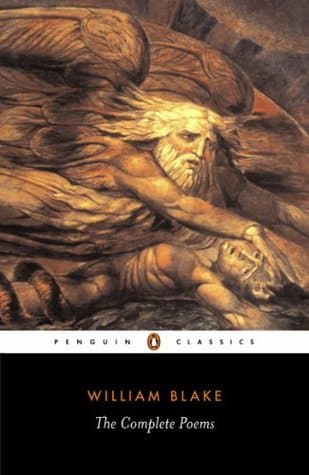
The Complete Poems
Philip Larkin
The Less Deceived
Philip Larkin
The North Ship
Philip Larkin

The Paris Review Interviews, II: Wisdom from the World's Literary Masters
Gabriel García Márquez, Stephen King, Alice Munro, Eudora Welty, William Faulkner, Isaac Bashevis Singer, James Thurber, Graham Greene, Toni Morrison, Harold Bloom, The Paris Review, Robert Lowell, William Gaddis, Peter Carey, Philip Larkin