
On a Certain Blindness in Human Beings
autor William James
O tej książce
William James's strong beliefs in a pragmatic theory of truth - that truth is only as relevant as its effect on us - lead to these absorbing essays on fact and belief. Within them is a fascinating theory of reality that suggests nothing is truly 'real' without examination through human empathy and experience.Throughout history, some books have changed the world. They have transformed the way we see ourselves - and each other. They have inspired debate, dissent, war and revolution. They have enlightened, outraged, provoked and comforted. They have enriched lives - and destroyed them. Now Penguin brings you the works of the great thinkers, pioneers, radicals and visionaries whose ideas shook civilization and helped make us who we are.
Gdzie kupić
Brak dostępnych opcji zakupu.
Linki w tej sekcji są linkami afiliacyjnymi - jeśli po kliknięciu kupisz książkę, otrzymamy prowizję od sklepu. Cena dla Ciebie pozostaje taka sama.
Więcej od William James

A Pluralistic Universe
William James

Essays in Radical Empiricism
William James

Habit
William James

Meaning of Truth
William James

Pragmatism and Other Writings
William James

Pragmatyzm
William James

Psychology: The Briefer Course
William James

Talks to Teachers on Psychology and to Students on Some of Life's Ideals
William James

The Moral Equivalent of War
William James, D.E. Wittkower

The Principles of Psychology
William James
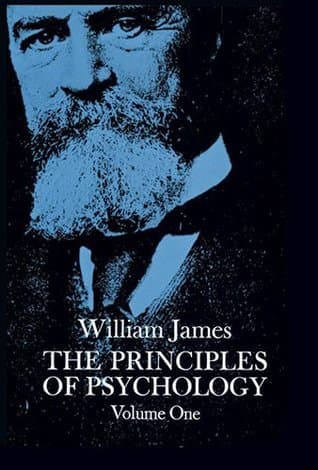
The Principles of Psychology: Volume 1
William James

Odmiany doświadczenia religijnego
William James

The Will to Believe
William James

The Writings of William James: A Comprehensive Edition
William James

Writings 1878–1899: Psychology: Briefer Course / The Will to Believe / Talks to Teachers and to Students / Essays
William James

Writings 1902-1910: The Varieties of Religious Experience / Pragmatism / A Pluralistic Universe / The Meaning of Truth / Some Problems of Philosophy / Essays
William James

ten-great-works-of-philosophy
Various, Plato, Aristotle, Immanuel Kant, William James, Robert Paul Wolff, René Descartes, David Hume, John Stuart Mill, Thomas Aquinas, Anselm of Canterbury